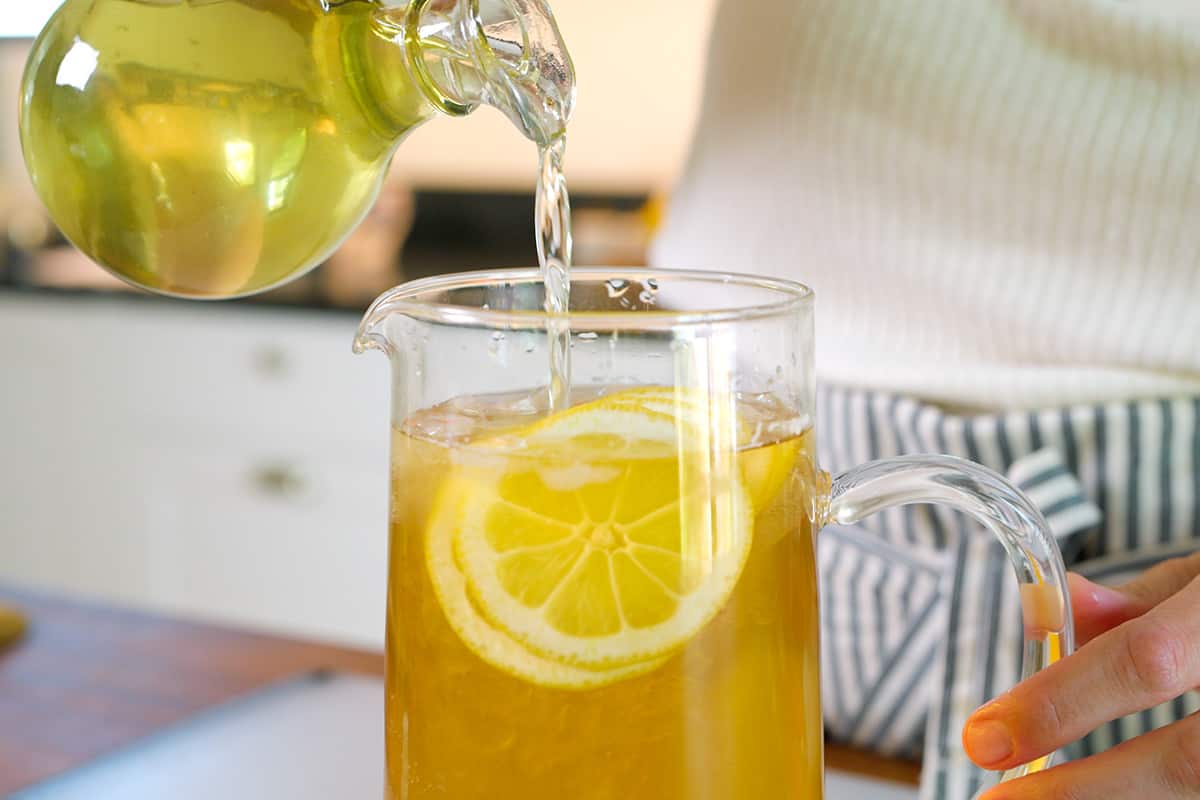
Unlock the Sweet Secret: Your Easy Guide to Making Simple Syrup at Home
Are you a connoisseur of craft cocktails, a fan of perfectly sweetened iced coffee, or a home baker looking for a secret ingredient to elevate your desserts? If so, you've likely encountered simple syrup. This humble liquid sweetener is a foundational element in countless recipes, yet many people still rely on store-bought versions. The truth is, mastering
how to make simple syrup at home is incredibly easy, cost-effective, and opens up a world of flavor possibilities that pre-made options simply can't match. Once you discover just how effortless it is, you'll wonder why you ever bought it from the grocery store.
At its heart, simple syrup is exactly what its name suggests: a liquid sweetener made by dissolving granulated sugar in water. It's designed to seamlessly blend into cold beverages where granulated sugar would struggle to dissolve, leaving an unpleasant gritty texture. From classic cocktails and refreshing mocktails to iced teas, lemonades, and even delicate baked goods, simple syrup provides a balanced, smooth sweetness that enhances rather than overwhelms. It's the unsung hero that brings harmony to complex flavor profiles, balancing tartness, bitterness, and rich essences with ease.
The Core Recipe: How to Make Simple Syrup at Home
Making simple syrup requires only two ingredients, a saucepan, and a few minutes of your time. The magic lies in the ratio and the gentle heat that transforms granular sugar into a clear, pourable liquid.
Ingredients You'll Need:
*
Granulated Sugar: Standard white granulated sugar is the most common choice, yielding a neutral flavor profile perfect for most applications. However, don't be afraid to experiment! Demerara sugar, turbinado sugar, or even brown sugar can create richer, more complex syrups with subtle caramel notes, especially suited for whiskey cocktails or autumn-inspired drinks.
*
Water: Plain tap water is perfectly fine. For the purest flavor, especially if your tap water has a strong mineral taste, filtered water can be a good choice.
Mastering the Ratio: 1:1 vs. 2:1
The beauty of simple syrup lies in its versatility, starting with its basic composition. While both ratios deliver a liquid sweetener, they each have distinct characteristics and ideal applications.
*
Traditional Simple Syrup (1:1 Ratio): This is the most common and widely used simple syrup. It calls for equal parts sugar and water (e.g., 1 cup sugar to 1 cup water). This syrup has a medium viscosity and a balanced sweetness, making it incredibly versatile for almost any drink or dessert where a straightforward sweetener is needed. It’s perfect for everyday iced tea, lemonade, or lighter cocktails.
*
Rich Simple Syrup (2:1 Ratio): As the name suggests, rich simple syrup uses two parts sugar to one part water (e.g., 2 cups sugar to 1 cup water). This higher sugar concentration results in a thicker, more viscous syrup with a more pronounced sweetness. Bartenders often prefer rich simple syrup because its enhanced body and sweetness mean you can use less of it in a cocktail, allowing the other ingredients to shine more prominently while still achieving the desired balance. It can also contribute to a luxurious mouthfeel in drinks. Explore the nuances of these ratios further with our detailed guide:
Simple Syrup Ratios Explained: Master 1:1 vs. 2:1 for Bartenders.
When measuring your ingredients, the simplest way for home cooks is to use standard measuring cups – a dry measuring cup for sugar and a liquid measuring cup for water. For ultra-precise results, especially if you're scaling up, weighing your ingredients (e.g., 8 ounces of sugar to 8 ounces of water for 1:1, or 16 ounces of sugar to 8 ounces of water for 2:1) offers the most accuracy.
Step-by-Step Instructions for Classic Simple Syrup (1:1 Ratio):
1.
Combine Sugar and Water: In a small to medium saucepan, combine your chosen amounts of granulated sugar and water according to your desired ratio (e.g., 1 cup sugar and 1 cup water for traditional). Stir them together briefly.
2.
Dissolve the Sugar: Place the saucepan over medium heat. Stir continuously or intermittently until the sugar is completely dissolved into the water. The liquid should become clear and free of any granular particles. You do not need to bring it to a rolling boil; a gentle simmer is sufficient to dissolve the sugar. Over-boiling can cause some of the water to evaporate, altering your intended ratio and potentially making the syrup too thick or prone to crystallization.
3.
Take Off the Heat: Once the sugar is fully dissolved, remove the saucepan from the heat immediately.
4.
Cool Completely: Allow the simple syrup to cool completely to room temperature. This step is crucial before storage or use, as warm syrup can affect the temperature and dilution of your drinks. You can speed up cooling by placing the saucepan in an ice bath, but ensure no water gets into the syrup.
Beyond Basics: Infusing Your Simple Syrup with Flavor
Once you've mastered
how to make simple syrup, a whole new world of flavor infusion awaits. This is where your homemade syrup truly outshines any store-bought alternative. Infused simple syrups add a bespoke touch to your beverages and dishes, allowing you to tailor flavors to specific recipes or seasons.
The process is delightfully straightforward: while your simple syrup is still hot (after removing it from the heat), add your chosen aromatic ingredients. Let them steep as the syrup cools, allowing the flavors to infuse deeply.
*
Herbs: Fresh mint, basil, rosemary, thyme, or lavender can create incredibly fragrant syrups perfect for botanical cocktails or dressings.
*
Spices: Cinnamon sticks, star anise, whole cloves, cardamom pods, or fresh ginger slices can add warmth and complexity, ideal for autumn drinks or spiced desserts.
*
Fruits & Zests: Berries (raspberries, blueberries, blackberries), citrus zest (lemon, lime, orange, grapefruit), or even thinly sliced apples or peaches can lend vibrant, fruity notes.
*
Other Aromatics: Vanilla beans, peppercorns, or even a touch of chili can create unique and exciting flavor profiles.
After the syrup has cooled and the flavors have fully developed (typically a few hours or overnight for stronger infusions), strain out the solid ingredients using a fine-mesh sieve before storing. Discover more creative possibilities and detailed recipes for crafting unique syrups in our guide:
Homemade Simple Syrup: Unlock Rich Flavors for Cocktails & More.
Storage and Shelf Life: Keeping Your Syrup Fresh
Proper storage is key to extending the life of your homemade simple syrup. Once your simple syrup has completely cooled, transfer it to a clean, tightly sealed glass container. Mason jars, swing-top bottles, or any airtight glass bottle work wonderfully.
Store your simple syrup in the refrigerator. Traditional (1:1) simple syrup will last for approximately 2-4 weeks. Rich (2:1) simple syrup, with its higher sugar content acting as a natural preservative, tends to last longer, often up to 1 month or even a bit more.
Always check for signs of spoilage before use. Discard your syrup if you notice any cloudiness, mold growth, an off-smell, or fermentation bubbles. While less common with proper storage, these are indicators that your syrup is no longer safe to use. Labeling your container with the date of preparation can help you keep track of its freshness.
Endless Applications: Where to Use Your Homemade Simple Syrup
Now that you know
how to make simple syrup, it's time to put it to work! Its smooth consistency and neutral flavor (or delightful infused variations) make it indispensable in both the kitchen and behind the bar.
For Your Bar Cart:
*
Classic Cocktails: Simple syrup is a non-negotiable ingredient in countless cocktail recipes. Think a refreshing Mojito, a balanced Whiskey Sour, a classic Mint Julep, or a perfectly tart Margarita. It ensures even sweetness without the grittiness of undissolved sugar.
*
Mocktails: Elevate your non-alcoholic beverages with ease. From a sparkling berry spritzer to a sophisticated chocolate-covered strawberry mocktail, simple syrup provides the perfect sweet base.
*
Homemade Liqueurs: Many homemade liqueurs, such as limoncello or various fruit cordials, rely on simple syrup for their sweetness and body.
Sweetening Everyday Beverages:
*
Iced Coffee & Tea: Say goodbye to gritty sugar at the bottom of your glass. Simple syrup blends seamlessly into cold brews, iced lattes, and iced teas, ensuring every sip is perfectly sweet.
*
Lemonade & Limeade: Achieve that ideal sweet-tart balance in your homemade lemonades and limeades without extra stirring or undissolved sugar.
*
Smoothies & Juices: A dash of simple syrup can enhance the sweetness of overly tart fruits in smoothies or fresh juices, providing a smoother mouthfeel than granulated sugar.
Culinary Delights & Desserts:
*
Moistening Baked Goods: Professional bakers often brush simple syrup onto cake layers (especially sponge cakes or genoise) to add moisture, enhance flavor, and prevent them from drying out. It's also excellent for rectifying a slightly dried-out cake.
*
Fruit Salads & Glazes: Drizzle plain or infused simple syrup over fresh fruit salads to add a subtle sheen and sweetness, or use it as a base for glazes for tarts and pastries.
*
Sorbet & Granita: Simple syrup is essential for creating the perfect texture and sweetness in homemade sorbets and granitas, ensuring a smooth freeze and balanced flavor. Mint simple syrup, for example, makes an incredible base for a refreshing sorbet.
*
Baklava & Phyllo Pastries: When mixed with honey and often infused with fragrant rose or orange blossom water, simple syrup forms the critical sweet, sticky syrup poured over baked baklava, giving it its characteristic moist and sweet finish.
*
Candied Fruits: Use simple syrup to gently candy citrus peels or other fruits, transforming them into sweet, chewy garnishes.
The applications are truly limited only by your imagination. By keeping a bottle of homemade simple syrup on hand, you’re always prepared to sweeten, balance, and enhance a vast array of culinary creations.
Conclusion
Congratulations! You now have all the knowledge needed on
how to make simple syrup, transforming two humble ingredients into a versatile liquid sweetener that will revolutionize your drinks and desserts. This easy-to-master technique not only saves you money but also grants you the freedom to customize flavors, ensuring your creations are perfectly balanced and uniquely delicious. From invigorating cocktails to moist cakes and refreshing iced beverages, homemade simple syrup is an indispensable tool for any kitchen. So, grab your sugar and water, and start pouring yourself into a world of endless sweet possibilities!